
IN SHORT: Several headwinds are converging on the Cape Town hotel market heading into the fourth quarter — continued Middle East volatility since February 2026, a further fuel price increase on 7 October, and a wave of major airlines still suspended from Dubai (a key connecting hub for European and UK travellers). Domestic airfare promotions point to pressured demand rather than strength. Room supply has also nearly tripled over five years, largely through unregulated short-term rentals, keeping the market oversupplied even as a new by-law tries to level the playing field. A forecast “very strong” El Niño summer raises echoes of the 2018 Day Zero drought, which hit inbound tourism hard. Forward bookings are running behind last year’s pace at this point in the cycle, consistent with all of the above.
The Cape Town hotel market is heading into the fourth quarter of 2026 against a backdrop of several converging pressures — regional geopolitical volatility, rising fuel costs, constrained air connectivity from key long-haul markets, a structurally oversupplied room market, and a forecast unusually hot, dry summer. Forward booking pace is already reflecting this, running behind last year at the same point in the cycle.

Is the Middle East situation still affecting travel sentiment?
Yes. The situation, ongoing since February 2026, continues, and the region remains volatile — Iran has signalled readiness to escalate, and sporadic incidents are continuing. For long-haul markets that route through or near the region, this ongoing uncertainty remains a drag on travel sentiment, even without a fresh escalation.
Why are fuel prices adding further pressure?
A further fuel price increase is expected at the 7 October adjustment, driven by an underrecovery that built up over August. Rising fuel costs put pressure on two fronts at once: they raise operating costs for hotels directly, and they reduce disposable travel spend for the same households and businesses that would otherwise be booking trips.

How is the Dubai flight disruption affecting inbound connectivity?
This is one of the more significant near-term constraints. Gulf airspace disruption following the Iran conflict has led 15–16 major international carriers — including British Airways, KLM, Lufthansa Group, and Singapore Airlines — to suspend Dubai routes since mid-2026. Most of these carriers aren’t expected to resume until late October or early November. Dubai is a key connecting hub for European and UK travellers routing to Cape Town, so this isn’t a demand problem in the usual sense — European and UK interest in Cape Town hasn’t necessarily dropped. It’s a supply-side constraint: fewer viable routing options are quietly capping how much of that interest can actually convert into arrivals, for as long as the suspensions continue.
What do domestic airfare promotions actually signal?
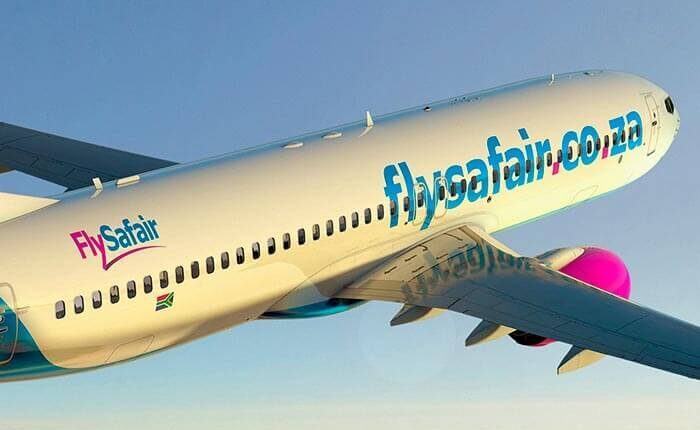
Not strength — pressure. Local carriers continue to run periodic fare promotions, but this pattern is better read as a sign of pressured domestic demand and rising fuel levies than as a healthy, competitive market. Promotional pricing tends to appear precisely when carriers need to stimulate softer demand, not when demand is running strong on its own.
Why is the market still structurally oversupplied?
Overall market recovery remains below pre-pandemic levels, even as room supply has nearly tripled over the past five years — and a substantial share of that growth has come from unregulated short-term rental listings rather than formal hotel development. The result is more rooms competing for a smaller pool of demand than existed before the pandemic. The City of Cape Town’s draft Short-Term Letting By-Law, currently in public comment, is explicitly framed as an attempt to level the regulatory playing field between short-term letting operators and formal hospitality businesses. It proposes mandatory registration and commercial property rates for units let short-term more than 50% of the year, with changes proposed from July 2027. However, industry bodies have already flagged that commercial rates alone may not meaningfully slow further short-term letting growth while it remains more profitable than longterm leasing — so the oversupply pressure on the market is likely to persist in the near term, regardless of how the by-law lands.
What does the seasonal outlook suggest?
A “very strong” El Niño is forecast to peak between October 2026 and January 2027, raising the likelihood of a hotter, drier summer for Cape Town. This carries more than just guest-comfort implications: the last comparably severe dry period, in 2018, triggered the “Day Zero” water crisis, when global media coverage warning that Cape Town was running out of water reached source markets directly and caused a real drop in inbound tourism — even before the city actually ran dry. A strong El Niño this cycle raises the same reputational risk if drought messaging reaches international travellers again.
Why are forward bookings running behind last year’s pace?
Booking pace at this point in the cycle is behind where it was last year — consistent with the combination of pressures above: continued Middle East-related sentiment effects, rising fuel and travel costs, reduced Dubai connectivity for key European and UK source markets, and a structurally oversupplied local room market. It’s a signal worth watching closely rather than reacting to immediately, since some of these factors (particularly the Dubai route suspensions) are expected to ease by early November, while others (oversupply, seasonal risk) are more structural and slower-moving.

What should hotels do with this information?
Four practical responses follow from the picture above:
● Track booking pace against the comp set, not just against last year in isolation. If pace is behind across the whole market, the response should be different than if a single property is uniquely exposed.
● Watch the Dubai route resumption timeline through Q4. As European and UK carriers return to Dubai, connectivity — and with it, arrivals from those markets — should start to normalise; this is a genuine leading indicator worth monitoring rather than a permanent shift.
● Don’t mistake domestic airfare promotions for a demand signal to lean into. Treat them as a symptom of pressured domestic travel demand rather than an opportunity to shift segment mix toward that market.
● Watch drought and water-security messaging closely as El Niño peaks. Given the 2018 precedent, proactive, accurate communication matters if drought conditions start generating international headlines.
Hotel Revenue Manager provides outsourced revenue management and tourism business intelligence to independent hotels across South Africa, based in Cape Town.