
We shared in our previous blog that no matter where you go on the internet these days, you will quickly become bombarded by the reality that not only has AI already become a valuable tool for mankind, but its long-term implications and rapid trajectory leave a multitude of concerns on our horizon.
Regardless of where you stand on the topic, one thing is clear for now: AI tools like ChatGPT are available, being heavily used, and will continue to evolve over future updates.
Let’s continue with number 4.
4. More efficient ad campaigns
With improvements to both targeting and ad copy, ChatGPT and other AI tools have the ability to help advertisers create more efficient ad campaigns overall.
By making certain aspects of the process such as keyword research and ad copy less tasking, AI could help advertisers save a considerable amount of time and reduce costs. ChatGPT, for example, has the ability to analyze user behavior and preferences to understand what types of ads are most likely to be relevant and engaging to each individual user. It could analyze data such as search history, browsing behavior, and social media activity to determine what topics and products users are interested in.
With this information, ChatGPT could make more accurate and personalized ad recommendations for each user. Instead of showing generic ads that may not be relevant to the user’s interests, ChatGPT could suggest ads that are more likely to resonate with each user based on their individual preferences. The result of these more personalized ad recommendations could be a better user experience and higher engagement and conversion rates.
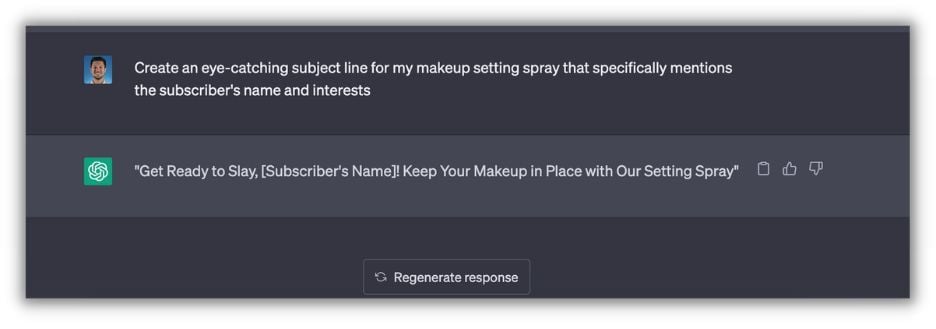
Additionally, ChatGPT could help advertisers optimize their ad campaigns based on user feedback.
The bottom line: By analyzing user behavior and preferences, AI could provide insights into what types of ads are most effective and which ones are not performing as well. Advertisers could use this information to adjust their targeting and ad creative to improve the overall effectiveness of their campaigns.
5. Greater reliance on machine learning
I’ve touched on the increasing use of machine learning in the paid media space over the last six years in numerous posts. My position on the topic has remained consistent, although slightly altered, over this span of time. To summarize my views: machine learning has greatly improved the ease of setting up and running campaigns, and with particular goals set within the platform, great improvements to performance can be experienced.
However, the increased usage and forfeiture of control from advertisers to the “algorithm” that is run by the entity designed to take your advertising budget isn’t always a good thing. These platforms can add unnecessary bloat to campaigns and limit your ability to make very refined adjustments that you used to be able to make. They are essentially trying to make PPC a one-size-fits-all robot that will run your ads for you.
As AI tools continue to evolve and improve, advertisers may become more reliant on machine learning algorithms to manage their PPC campaigns. As stated above, this could lead to greater efficiency and better results. However, it may also lead to a lack of insight into how money is being spent and a general lack of genuine nuance that a human can apply to a marketing campaign.
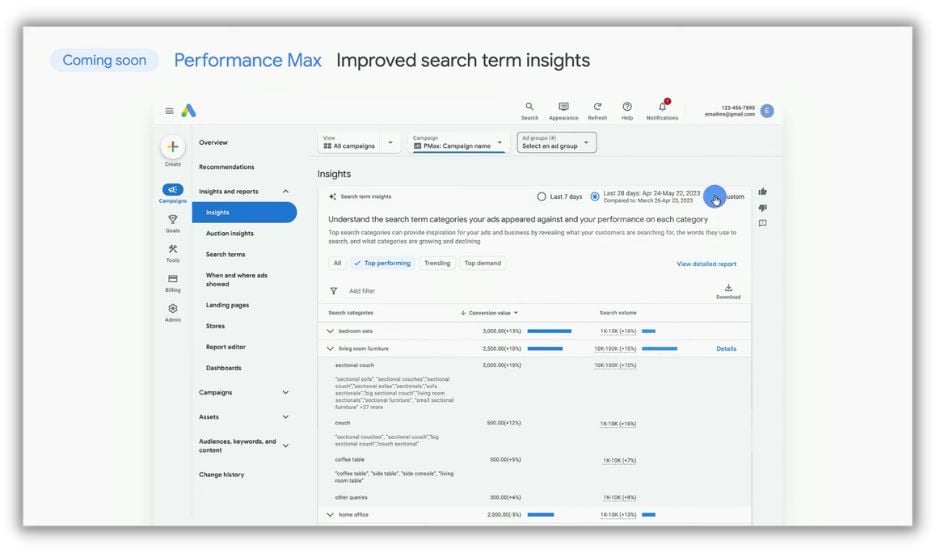
Google is trying to provide greater transparency into how Performance Max campaigns are being optimized through its improved search term insights report.
The bottom line: This prediction is my most concerning on the list for a couple of different reasons. The first is that an AI can absolutely run PPC campaigns for you. Whether at this stage or in future iterations, the technology is clearly capable of building and running PPC campaigns. This has the potential to eliminate jobs.
But it shouldn’t. And here’s why: Many search advertising professionals have found that the “best practices” AI implements aren’t always the best practice for a specific advertiser. The AI used to set up, create, and run PPC campaigns will be applying whatever best practices its creator designs it to have, many of which may be in the best interest of the company and not the advertiser from a cost-efficiency standpoint. This is why it’s going to be so important to incorporate that human touch and oversight into AI-enabled PPC campaigns.
6. Continued innovation
As ChatGPT and AI continue to evolve and improve, we can expect to see ongoing innovation in the PPC industry. This could lead to new ad formats, targeting techniques, and measurement tools that help advertisers get even better results from their campaigns (which we’ve already seen a glimpse of from Google Marketing Live 2023).
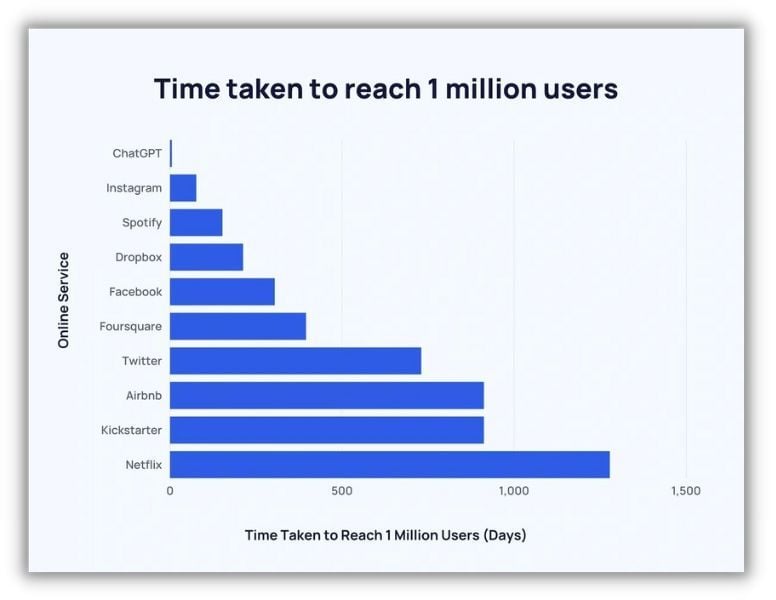
The rate at which we will see these changes is still up in the air. As mentioned, AI is progressing at a somewhat alarming speed. With any new technology, there is typically an adoption period that spans months and years that allows industries to catch up.
For example, it took years for businesses to master the process of selling online to the point where it is the primary place of commerce. The internet itself took decades to evolve. This gave everyone enough time to adjust to the changes and slowly evolve their businesses over time. With AI and ChatGPT, we could experience change at a rapid and disruptive rate that hasn’t necessarily been experienced since the industrial revolution.
Here are some of the top places I expect we’ll see continued innovation.
Ad targeting and performance
ChatGPT is just one example of this innovation, but there are likely to be many more developments in the years to come. One area where we can expect to see continued innovation in PPC is the use of artificial intelligence and machine learning to improve ad targeting and performance. As AI and machine learning technologies continue to improve, advertisers will have access to more advanced tools and algorithms for analyzing user behavior and preferences, identifying trends, and optimizing ad campaigns.
New ad formats and channels
Another area where we can expect to see innovation is in the use of new ad formats and channels. For example, as voice assistants and smart speakers become more prevalent, advertisers may start exploring ways to deliver ads through these devices. Similarly, we may see new types of ads that are more interactive, personalized, or immersive, such as augmented reality (AR) ads or virtual reality (VR) ads.
Measurement and attribution of ad performance
Finally, we can expect to see continued innovation in the measurement and attribution of ad performance. As more and more users interact with ads across multiple devices and channels, advertisers will need better ways to track and analyze these interactions to understand the impact of their ad campaigns.
The bottom line: The result of this continued innovation in the PPC advertising industry could be a more effective and efficient advertising ecosystem, with advertisers able to reach their target audience more accurately and users experiencing more relevant and engaging ads. It also means that advertisers need to be tuned in to the updates happening in the PPC landscape and be ready to make changes and experiment to continue seeing good results.
The bottom line: AI’s impact on PPC marketing
Overall, the future of PPC advertising looks bright, with plenty of opportunities for advertisers to achieve their marketing goals, especially when using AI capabilities to enhance campaigns rather than relying on it fully.
As AI continues to evolve, it will be more important than ever to stay on top of the curve and keep an eye on the latest updates and innovations.
In summary herewith the six ways AI will impact PPC:
- Increased competition (and higher costs)
- Improved targeting
- Enhanced ad copy
- More efficient ad campaigns
- Greater reliance on machine learning
- Continued innovation
Copyright www.wordstream.com